
If you are interested on why I think building the vet-client bond is important, please check out my article on that topic.
My thoughts on how to build the client bond
I believe the client-vet bond can be boiled down to the degree of trust your client has in you. When building a relationship with your client, becoming friends is not the aim.
The aim is to create sufficient trust that the patient is getting the best care possible from the both of you in the context that you find yourselves.
To be clear, it is not always the best care possible. I would like us to always be able to directly follow the textbook every time. However that is simply not possible in general practice. Whether it is finances, the patient’s extreme stress in practice, the patient’s refusal to take medication, the client’s work situation, family illness or many other reasons, sometimes we are trying to find the kindest compromise for the patient: a compromise in diagnostics or interventions that does not compromise the patient’s welfare. If your client doesn’t feel able to share their situation, how can you know how best to treat the case in front of you?
When you are starting out with a new client you only have the 15 minute consultation to build your bond. Some cases only need that time to result in effective care, but all cases are easier with a good bond in place.
My tips to help develop the Vet-Client bond
Most of how I believe you build a client bond comes down to one simple thing: focused time with the client.
The more time you have with the client, the greater the chances you have of creating trust. Of course, if in the time you spend you come across negatively then you will not build trust even with regular visits.
I will split my tips below into ones to increase your time with the client and ones to increase trust that are not time dependent.
Increasing time with the client
- Have clients assigned to you.
- This is much easier in a practice that already fosters this ethos but is still possible in others. Try to always be the vet that client sees. Deliberately book the recheck in with you for next time. Make a point of reporting your own results. The contact time really adds to the bond, even if you did nothing else.
- Of course, only do this when it is practical. If you are fully booked and your client comes in with an emergency you don’t have to see it. Always try to make sure that the follow up is with you.
- You can flex rechecks to your schedule within reason. Yes you may normally recheck in a week, but will rechecking in 8 days time really be a problem?
- Do not rush your consults unless absolutely necessary. Avoid double booking.
Increasing trust with the client
- Talk to them by name. These days, handshakes seem old fashioned. But introduce yourself at least and try to talk to the owner and patient by their name. It immediately gives you familiarity. Don’t be weird about it though, saying names too much is strange.
- Be affectionate with the patient to the degree that the patient will accept. E.g. a stroke, a quick acknowledgement if nervous, a treat if a labrador, etc etc. If you do not show warmth to the patient, the client will not warm to you. On the flip side, if the patient is very nervous and you have them in a bear hug the owner will also not warm to you (and the patient may bite).
- Be calm. Give the impression you have all the time in the world for the client, especially when you don’t. Take breaths before the consultation if you need to. Be considered and not rushed.
- Be present. Focus on the client when they talk, avoid the temptation to type your notes as they give a history. Be deliberate in your exam, make sure the client sees you doing it. Talking through the exam also helps the client understand what you are doing and how much you are actually assessing. Summarise the history back to them so they know you have heard them and to check you haven’t missed anything.
- Be clear in your findings and the following options the owner has. Resist trying to demonstrate intelligence by using jargon, Latin or Greek. Confusing the client will only cause stress and possibly damage your bond.
- Be kind. Try not to tell off or confront, even with the obese pets. This will make the client defensive and resistant to your advice. Try to make it clear you are a team working together to help the patient.
- Be honest. If you do not know the answer in the consult, do not pretend you do. Have the confidence to stand on your prior knowledge and training. Give the client a plan of how you will get to the answers, ranging from the simple checking with another vet to starting investigations that will reveal more. I have always found clients respect your honesty and, seemingly paradoxically, then trust you to do a thorough job and to not make it up as you go (as an extra tip for new players, in the words of my old boss ‘More is missed from not looking than not knowing’; always do a full exam and then see what you think/what advice you will need. You often will find answers even in unfamiliar species).
- When you are waiting to report on results/information give realistic time frames to the client and then keep them. Always over estimate on this (as long as it is safe and reasonable). Always tell the client when you expect to get back to them so they are not at home worrying.
- Feel free to tell the client to call and chase if they haven’t heard by the point you have said. It is both a fail safe to make sure it is not missed but also keeps you accountable. I like to finish the conversation by saying exactly when I expect to next speak with them. Even if it is an offhand, ‘hopefully you don’t need me until his next booster.’
- Careful with jokes. Nothing can turn good will into bad quicker than a badly taken joke. Let the client lead, if they crack a joke then feel free to match the tone. Remember our gallows humour can be really poor taste. Be professional first and relax from there. Sometimes clients don’t want a clown in charge of their loved ones’ surgery.
- Anecdotes can be useful to illustrate your point as long as you don’t rely on them too much and make the consultation about you. They can also help clients feel better about their pet’s conditions.
- For example, I often tell clients about how I didn’t realise my cat needed dental work until he was under a GA. I had smelt his bad breath and being a not very compliant creature I had nothing else to go on. Once under GA he needed all of his teeth out with the exception of three canines. If the vet didn’t notice her own cat’s bad teeth then it’s ok for them to have needed an appointment before it was picked up. Then it’s a case of moving forward and not blaming themselves about the past.
- More general anecdotes can help as well. E.g. ‘Lots of pets struggle with weight loss,’. Clients don’t have to feel like they are alone.
- Be upfront and clear about the costs of things. Try to give whole estimates for the condition in front of you. If you fully expect the animal to be in for three days do not just give a 24 hour estimate, it’s willfully dishonest. Always give estimates at the time of discussing options. Do not apologise or be awkward about it, be open and clear. You are providing a highly skilled service and that comes at a price. Allow the client, fully armed with the estimates to make a decision and avoid them feeling as if you are stringing them along with ‘just one more thing’.
- Of course, you can’t see the future. Things change and so do estimates. Just give clear estimates as soon as you can for what you expect will be needed.
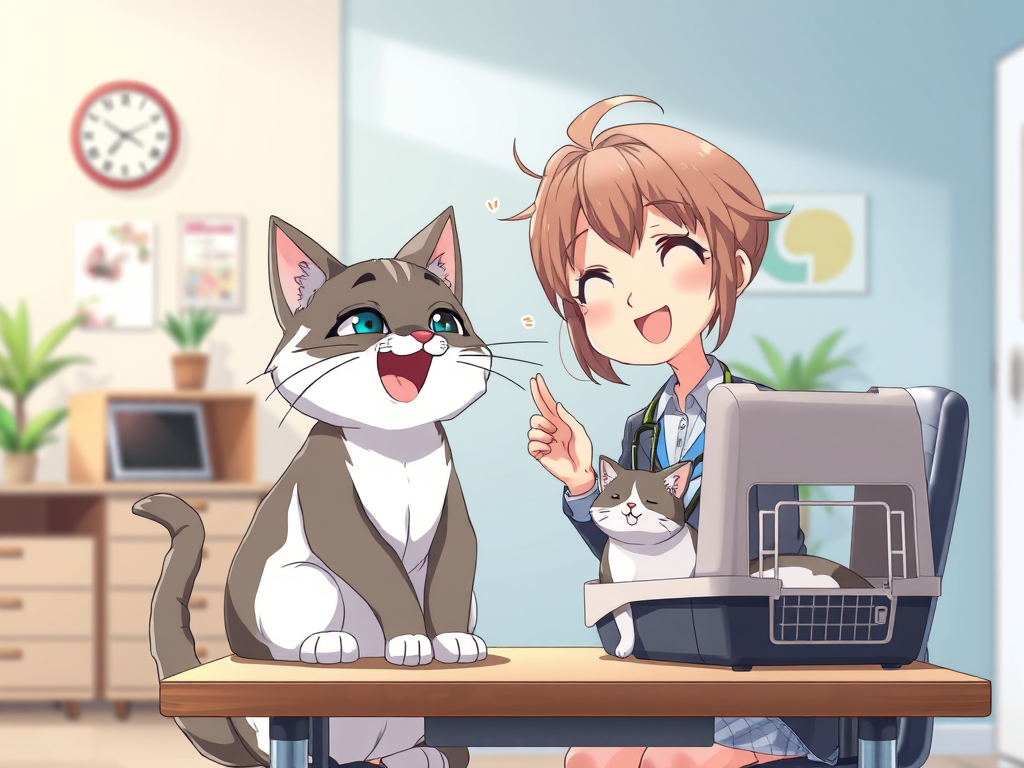
(Absolutely terrifying to see AI generate what it thinks an owner of a cat looks like. Wouldn’t our jobs be easier though…)
I’m sure there are many more, the more I write, the more I realise I could write on this topic. Please share your thoughts on this topic and any extra points that you have found helpful when building the client bond. Comment below!





 Vet Soup
Leave a comment