
Thinking of further qualifications? Please think about this:
Most vets, me included, want to feel as if they are growing. We want to feel that we are gaining knowledge and skills as we journey through our veterinary career. It is often a reason why we took on the high pressure but constantly varying job. But I think we need to be careful.
The desire to grow and improve can override our other desires. I fell into the category of New Graduates keen to start working in a hospital with out of hours. I was going for a ‘rip off the bandaid’ approach. I knew I would gain a lot of experience quickly and therefore hoped I would leave the anxiety-ridden start of the vet career sooner. I was going for a sprint start in a (hopefully) 40 year marathon.
I did gain a lot of experience and worked in a well-run hospital. But I didn’t get to enjoy it. I was so tired. I stopped being able to learn as much as I could because I was just running between emergencies. It began to feel as if I were putting out fires instead of preventing them in the first place. In short, I burnt out, felt rubbish and changed jobs. I tried to force my growth.
Vets naturally grow at work. You would have to try and not gain further knowledge (I have seen some vets really try at this). Every time you seek advice, remind yourself of a disease, or discuss a case, you are growing. We are so used to cramming our heads with facts from our school years that we forget that this is still experience. Along with our mandatory CPD, as long as you are not actively putting your head in the sand, you are progressing and developing as a vet by just showing up at work.
It is too easy to ignore the slow gains. We all start by being dropped into the boiling water of daily practice and a lot of us almost get used to the slightly overwhelming feeling of constantly getting up to speed. I have seen so many New Graduates tell me that at 1.5/2 years they are ‘coasting’ or ‘bored’. What they actually often mean is they are no longer cramming and are hitting a steady state. Now that they are more used to the rollercoaster, they want to try another ride. So they change jobs and adapt to slightly different ways of doing things. Classic.
The slow gains of experiencing longer term cases, getting to know clients, even managing work relationships over longer periods are all very important and often overlooked. If you are feeling itchy feet (but don’t otherwise have good reasons to move), definitely consider whether you actually have outgrown your job. Could you consider, heaven forbid, a hobby outside of work?
The next thing a lot of us like to do is further study. Clearly we haven’t spent enough on our education, it’s time to drop a cool £10,000 on ensuring we have no life outside of work. What makes it even more intense is that most practices I have seen will not allow adequate time off in the diary to allow for study at work. No, you’re doing this at home, but it isn’t for your home life is it? Alternatively, people are forced to accept reduced salaries and increased hours for multiple years in referral centres to become specialists. It is amazing that people do this, but what are you sacrificing for it?
I would like to consider the difference between forced and natural growth. I am in awe of people who have managed certificates and specialised alongside children. I know that for me, on top of work, it would be too much. Even then, I have a voice in the back of my head telling me that if I don’t crow-bar these things into my life, I will be left behind and no longer a ‘good’ vet.
Forced growth vs Natural growth.
In my mind, forced growth is when you put yourself into a position of growth that is realistically beyond your capabilities. For example, in my case, heading straight into a busy hospital after university when a slower-paced role might have meant I learnt more and panicked less. It often comes from a place of fear. A desire not to be left behind or a need to prove yourself. It may come from financial motivations as well. You run the risk of the desire to force growth overloading the bandwidth you actually have. This can affect you in multiple ways:
- Increases your risk of burn out which can lead to dangerous and preventable negative emotions. It may make you want to change careers, it may become more serious.
- Impacting home life, reducing the time you have to decompress and spend doing things you enjoy. Or reducing the fulfilling time you spend around screaming children.
Natural growth is when you allow further study to develop from the environment you are in. It certainly can mean doing formal qualifications but it has come from a place of confidence and space and not fear. You realise that you have fuel in the tank after work and want to do more. You feel a curiosity to delve deeper on a certain topic. I have seen glimpses of this feeling the past year or so and it is a much nicer place to be.
It’s easy to feel that you will never get to that place of calm progression. It’s easy to think you are not growing and developing at work without a signed piece of paper to say you are. You can get there. Often more experience is helpful which will come with time. Sometimes the job is too demanding but then a quieter job suddenly makes you feel like you have space you want to fill. Sometimes winter is quiet.
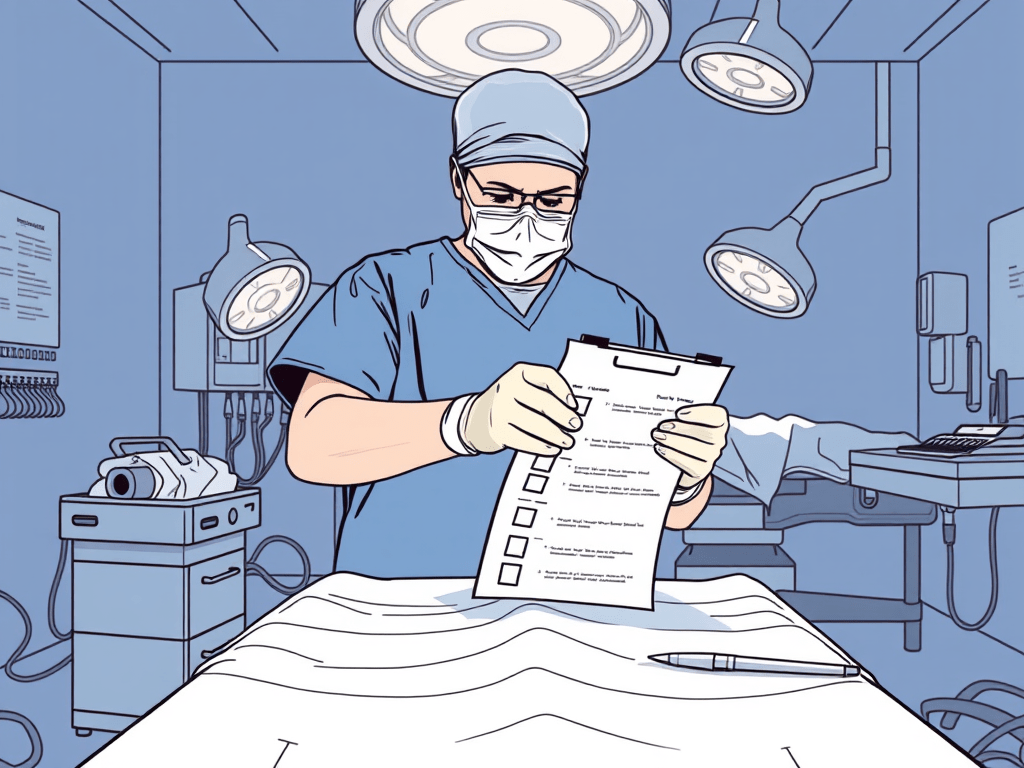
You are growing at work, it helps to prove it. Something that helped me was to track interesting cases/surgeries. At one point I made a bingo card of the interesting surgeries I wanted to do in the next year. Each time I crossed a new surgery off it helped ram home that I am still learning and growing without burning myself out with extra study.
Take it from me, this is a marathon and not a sprint. No long distance runner would knowingly push themselves beyond their limits in the first half of the race and not expect a detrimental impact. Give yourself the grace of knowing you are already learning just by walking through the door and keeping your eyes open and your mind curious. Also, hit your CPD requirements.
If you feel that you can do more, do more! Just make sure it is a natural growth and not a forced push into the next step.
Consider doing a short course first, how did it feel to balance alongside work? If it was annoying to do, hard to fit in and you started to resent it, listen to that and I would suggest a certificate will be no different.
So many colleagues of mine have resented their earlier decision of signing up for a certificate or internship. Remember to imagine yourself doing the work to get it, fitting the hours into your life and not just writing the letters after your name. Does it actually fit? If not, you are forcing it and not growing naturally. You will get stressed and not enjoy it.
If you are doing further study because you have realised you have time to do it and are genuinely interested in learning more about an area you will get so much more out of it. You also will not risk your mental health or home life which is so important. I am all for further qualifications but please think hard about why you want to do it. Would a lower commitment course help scratch that itch?






 Vet Soup
Leave a comment